



Introduction
The propulsive phase of a countermovement jump (CMJ) starts immediately following the braking phase (eccentric portion) and ends when the athlete leaves the ground. This phase is also referred to as the concentric or push-off phase of the CMJ.
Therefore peak propulsive power refers to how quickly and how much force the athlete can produce in the concentric phase of the CMJ.
Methods
This study examined 2 high school baseball players with similar dynamic strength indexes. Both athletes performed the same 8 week lower body strength programs which primarily consisted of traditional resistance training movements.
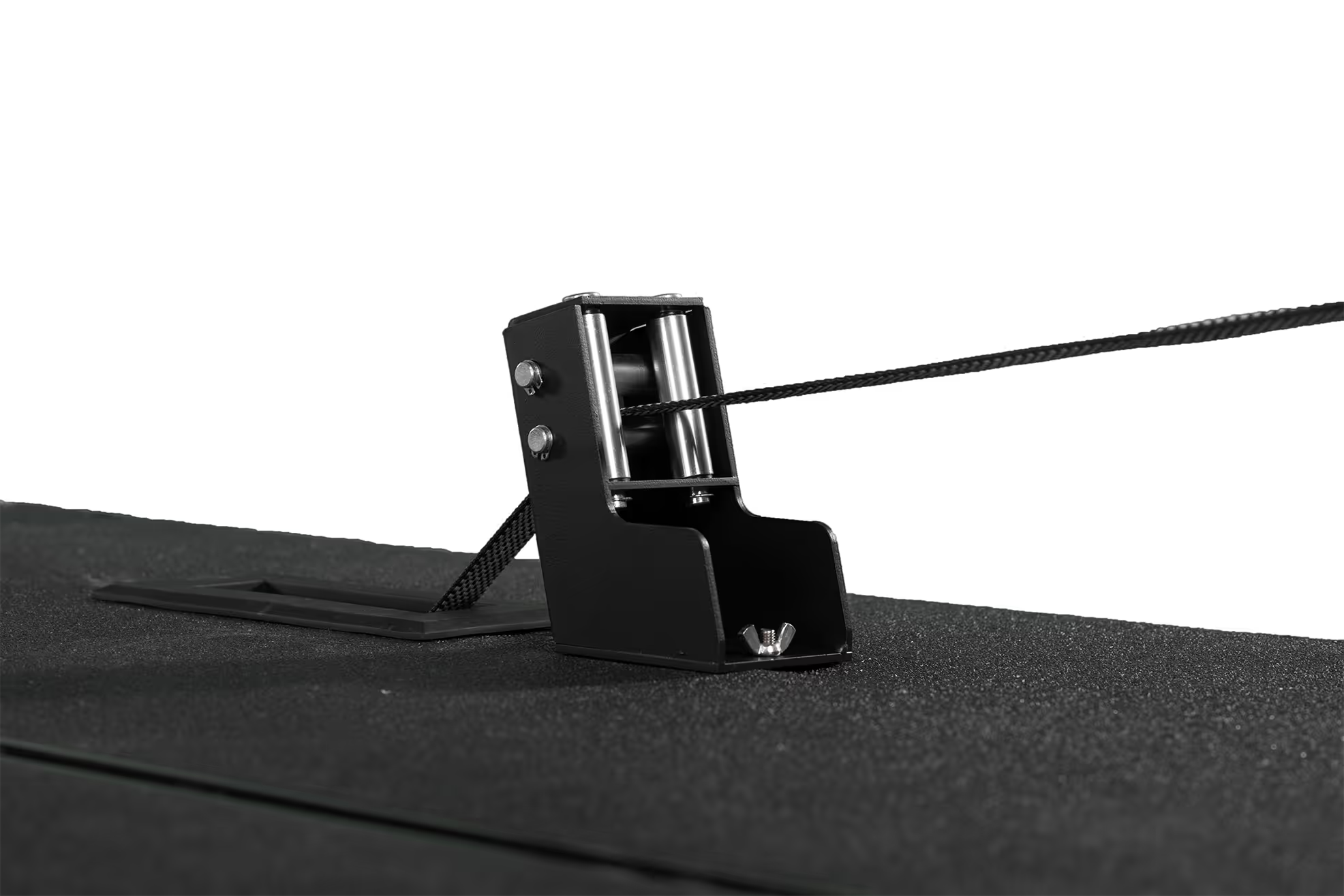
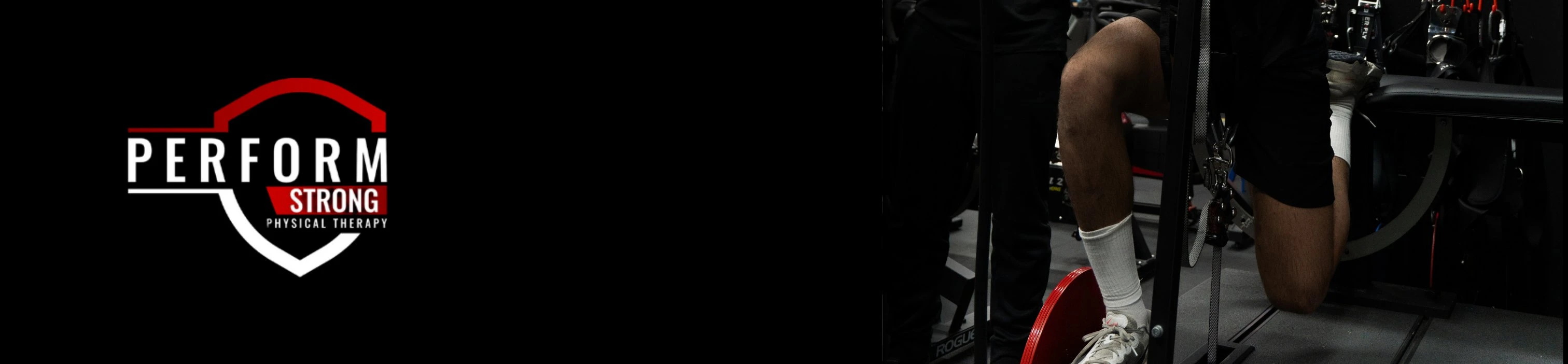
The only difference between the two programs was that Athlete A was also prescribed flywheel split squats on top of his normal training program. The flywheel splits squats were at a frequency of 2 – 3 times a week, with a load of .075 kg m2 for 3 sets of 30 reps.
Results
Both athletes increase their peak propulsive power following the training intervention. However, the athlete that performed the flywheel protocol (Athlete A) had a greater increase in peak propulsive power in comparison to Athlete B (17% vs 10%, respectively).
Conclusion
The athlete that performed the flywheel split squat protocol (Athlete A) had a 7% greater increase in peak propulsive power in comparison to the athlete that did not have any flywheel training in their program. These results can be explained by the flywheels ability to improve the utilization of elastic energy during the stretch shortening cycle and its ability to increase overall force production (1).
References
1. Raya-González, J, Prat-Luri, A, López-Valenciano, A, Sabido, R, and Hernández-Davó, J. Effects of flywheel resistance training on sport actions. A Systematic Review and Meta-Analysis. J Hum Kinet 77: 191–204, 2021.